Public Holidays in Denmark 2019
including days of celebration
Denmark has several public holidays in 2019, which are known as helligdage.
Below you will find a list of the various public days and the date they are held. Most are held in the first part of the year and than there is a long dry spell until December. Not all helligdage are days off work, but have tried to give you an idea of which days you can expect to get off. The good news is that you get 5 weeks paid holiday each year from your company, which can help with that dry spell late in the year.
January 1, 2024 is Nytårsdag or New Years Day and all business are closed on that day. (this falls on a Friday)
January 6, 2024 is Helligtrekongersdag, which is a religious holiday celebrating the end of the 12 days after Christmas. Not very known and only celebrated in church.
February 14, 2024 is of course Valentines Day, which is becoming more of a holiday here. Often it is resented as a holiday from America, but flower shops, jewelry stores and other merchants have picked up on the idea and are pushing it in Denmark now.
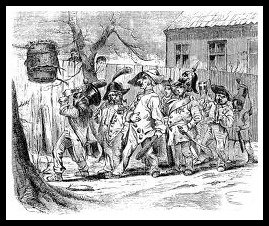
March 2, 2024 is Fastelavn or Shrovetide, which is a celebration with children dressing up in costumes and beating up a barrel with a stick. Fastelavn is celebrated on the Sunday before Lent. Businesses do not close on this day.
March 31, 2024 marks the beginning of summertime so remember to adjust your clocks forward an hour.
April 1, 2024 is Aprilsnar or April Fools' Day and in like so many other countries, this is a day for pulling pranks on your friends and colleagues. Everyone seems to get on the act, even the media and politicians. Businesses are open.
April 9, 2019 is called Occupation Day or Besættelse Dag and commemorates the day that German started the occupation of Denmark.
April 14, 2019 is Palm Sunday and is the start of the Easter season.
Påske or Easter consists of 4 days and all businesses are closed during this time. Businesses are open on the Saturday between the 4-day hellidage.
April 16th, 2019 is the Queen's birthday and tho it is NOT a holiday, many people do take the day off to go visit the Queen and wish her happy birthday. Royal birthdays are still very popular in Denmark and celebrated my many Danes.
April 17, 2024 is Skærtorsdag or Maundy Thursday, commemorating the last supper.
April 18, 2024 is Langfredag or Good Friday commemorating the Crucifixion of Christ.
April 21, 2024 is Påskedag or Easter Sunday commemorating the Resurrection of Jesus.
April 22, 2024 is 2 påskedag or 2nd Easter Day and comes on the Monday following Easter Sunday.
May 1, 2019 is Arbejdernes Kampdag / Labour Day and a free day from work. Celebrates the social and economic improvements for workers. Snce this falls on a Sunday, it is not really a holiday for most people.
May 5, 2019 is Befrielse Dag / Liberation of Denmark from German, Denmark celebrates Liberation, when the German troops surrendered on 4th May 1945 and freedom took effect on May 5. Not a day off work, but a celebration day. This year since it falls on the same day as Kristi Himmelfartsdag it will be a holiday.
May 12, 2024 is "mor's dag" or mothers day in Denmark.
May 17, 2024 is called Store Bededag or Great Prayer Day and is to celebrate the various prayer days and is always on the 4th Friday after Easter. All businesses are closed. It is a tradition to go the local bakery the night before St. Bededag and get "varme hveder" or wheat rolls to eat with melted butter and jam. On the Thursday night before Store Bededage you will find long lines at your bakery getting these treats - join in, because not much else happens on this day.
May 30, 2024 is Kristi Himmelfartsdag or Ascension Day is held 40 days after Easter Sunday.
June 5, 2024 is Grundlovsdag:or Constitution Day and celebrates the signing of the Danish Constitution in 1849. All businesses close at 12noon.
June 5, 2024 is also Father's Day in Denmark.
June 9, 2019 is Pinsedag or Whit Sunday, which is held 50 days after Easter and celebrates the birth of the church.
June 10, 2024 is 2nd Pinsedag or Whit Monday and is part of the Whitsun celebrations. Businesses are closed.
June 15, 2024 is Flag Day or Valdemars Dag, which is the date when the flag fell from the skies and Denmark got its flag. This is not a free day .. still got to work. Not really, cuz in 2014 it falls on a Sunday.
June 21, 2019 is the longest day of the year
June 24, 2024 is Sankthansaften or Midsummer Night and is celebrated with bonfires all over Denmark; it is again not a public day off, where businesses close. The celebration happens at night, when everyone gathers to watch the bonfires at sunset.
FYI: Now there is a long long time until your next official holiday, so remember get your summer vacation in so you can make it til the end of the year!
October 27, 2024 marks the end of summertime and the clocks go back an hour on this day.
October 31, 2023 is the traditional Halloween, which again is gaining some popularity in Denmark, but do not expect Trick or Treaters at your doorstep.
November 11, 2023 is Mortens Aften or Saint Martins Eve which is a unique celebration to Denmark. The Danes will eat goose or duck for their evening meal in honour of the legend of Bishop Martin of Tours. The story goes that the missionary hid out in a goose shed to avoid being consecrated as a bishop. But the geese started cackling and gave away his hiding place. So he declared that every November 10, geese should be served as the main meal in order to get back at them for their deception.
The first Sunday of December is the start of the Christmas Holidays and this is a good time to start brushing up on your singing and learning a few good Danish Christmas Songs. This first Sunday or advent Sunday is not a legal hellidage. But you should be aware of the tradition if living in Denmark, since you might be invited over for traditional Danish cookies and gløg!
December 13, 2023 is Saint Lucia Day /Sankta Lucia and is heralded by parades of girls dressed in white and carrying lit candles. This is based on a Swedish tradition, celebrating the martyr, Sancta Lucia, who distributed food to the beggars before the New Years Fast.
The parade is led by one girl, Lucia Queen, wearing a crown of candles and the girls all singing the Lucia song. It is well worth attending a church service this day to be part of this celebration.
December 21, 2023 is the shortest day of the year.
Now comes a holiday at last! The Christmas break which in 2014 will give us 5 days off in a row since the 24th is on a Wednesday.
December 24, 2023 is Juleaftensdag or Christmas Eve, the day that most Danes celebrate Christmas. You can find out more about a traditional Danish Christmas below.
December 25, 2023 is Juledag or Christmas Day If you are in Copenhagen, you will want to take in some of these Copenhagen Christmas events
December 26, 2019 is 2. Juledag or Boxing Day and stores are not usually open. Grocery stores are open, but the major stores do not open until the 27th, when many of the sales start.
and finally we have
December 31, 2023 which is New Years Eve or Nytårsaften.
School Breaks and Holidays
School vacations will vary a bit from year to year, but here is a general guideline. It is best to use the week numbers versus the dates, since holidays are based on week numbers. If you are unfamiliar with the week numbers check out Danish Week Numbers.
School starts on January 3, 2024 (week 1)
Winter School Holiday usually starts in (week 6/7), which is February 9 - 17 , 2019 (Nordjyland starts 1 week later)
Easter Break / Påskeferie: April 13 - April 22, 2024 (week 15/16)
Summer School Holiday: June 29 - August 11, 2024 (week 26 - 32),
Autumn School Holiday / Efterårsferie: Oct 12- 20, 2019 (week 42),
Christmas holiday / Juleferie - December 21, 2023 - Jan 2, 2024 (week 51/52/1)
Now if you have children attending school, it is always best to check with your school to make sure they are on the same schedule. This is only a general school guide and should be pretty close to your school. The school holiday dates start with the first full free day and end with the last free day.
For example: Some schools start earlier back from summer break and some a bit later.
|
|
|
If you found this page helpful, please give a google+ and or a facebook like at the top of the screen, so others can also find this information. Thank you.
Please feel free to comment on this subject
Do you have a helpful tip or comment on this subject that you would like to share? Please leave comments below.

Quality facemasks are in high demand and hard to find. We have found these quality masks here for only 14kr. Going fast so get yours today! Click Here.
Recent Articles


-
Home Furnishing Shops in Denmark
Feb 16, 24 11:10 AM
 There are many home furnishing shops in Denmark, yet not all have physical stores nor are they well known. To find the best prices ind quality, check out some of these shops
 -
Useful Danish Phrases
Oct 07, 21 07:28 AM
 Learning a few useful danish phrases or words can go a long way to making your stay or visit in Denmark more enjoyable.
 -
Aarhus Attractions
Oct 07, 21 07:08 AM
The number of Aarhus attractions may not be as big as Copenhagen, but there is still alot to see and do in this Danish city.

SBI!