Danish Culture in Denmark
The Danish culture is based on "Jante Law". It's a concept created by Norwegian/Danish author Axel Sandemose in his 1933 novel, "A Fugitive Crosses His Tracks". It states that everyone is equal, no one is special and everyone should be treated as such.
This includes sexual equality. Does not matter whether you are straight, gay, black, white, rich or poor, a factory worker or a heart specialist - everyone is considered equal.
Few people seem to want to excel in their career. Being a hard, industrious worker is almost frowned upon. You can often see a lack of ambition in some Danes. The Queen has publicly spoken out about "Jante Law" and is not a fan of it. She prefers to see the Danes excel in everything they do.
In theory, a doctor or politician is no better than a postal clerk or a school teacher. Being a housewife is neither better nor worse than being a career woman. A man can work or be a stay-at-home dad. Each person is given the same respect under "Jante Law" and it is just part of the Danish culture.
That said, this type of Danish culture is a major reason for the high tax rate. As a taxpayer you have to make sure those less fortunate or less willing to work or contribute get their fair share of the pie.
Thus, a person who is not willing to work is given the same status as a hard-working person. Why work when you can get almost as much money from the state as you would if you worked a menial job for 37 hours. The Danes do not seem to find anything wrong with people living off the state and having others pay for it.
Discrimination
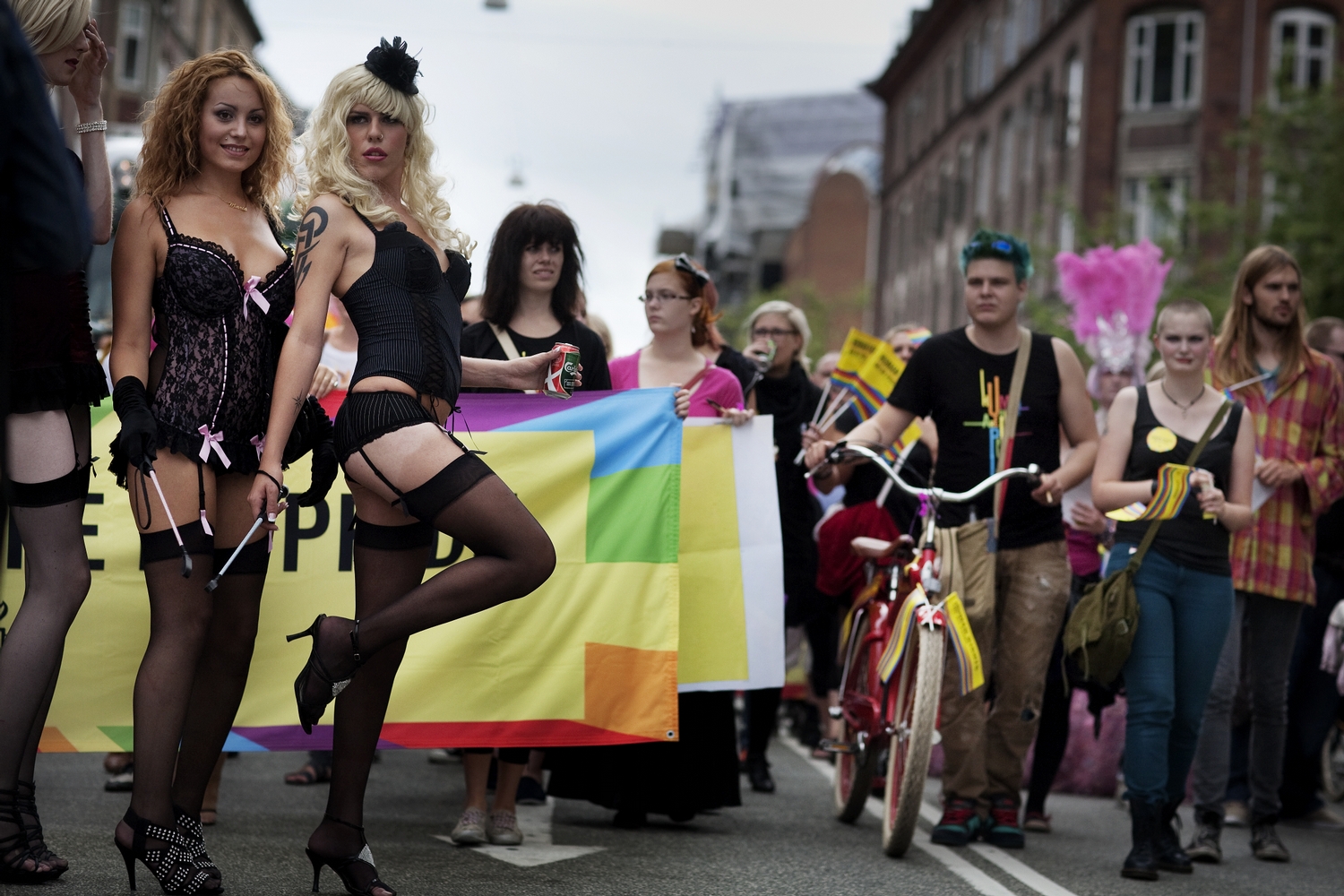 Gay-Pride-Copenhagen
There is a distinct lack of discrimination in the Danish culture. Everyone is treated fairly. No matter what your nationality or ethnic background, the Danes generally treat you equally.
There are pockets of the country where a certain group of people may be harassed by "other groups", but it is usually a very small minority.
Tolerance is very evident in the large gay and lesbian culture throughout Denmark. There are lots of events including "Gay Pride" parades and marches. In most large cities you will find gay sections, which include hotels and bars. They are accepted and rarely harrassed.
Note: In recent years, there has been a bit more intolerance of foreigners coming to Denmark. This is mostly on the Muslim front, due to their excessive demands and how easily they get offended. When they perceive a slight, they overreact and alienate supporters by committing crimes and causing violence. Unfortunately, the incident with the "cartoon" did nothing to help that situation.
The best way to adapt to the culture of Denmark is to get involved in the Danish way of life. If you wish to continue to live another way, it should be kept low key and private and not waved in the faces of the Danes.
Remember, Denmark has opened its borders to many expats, reached out and given a hand to many that are struggling and suffering. Being anti-Denmark is no way to repay that kindness. IF one is not happy with the system, than use peaceful methods to promote change or leave and go somewhere else, where you feel more at home.
At one time, as a Dane you were expected to tolerate everyone, even if they didn't tolerate you and/or are antisocial, racist or denounce Denmark and its people. Turn the other cheek and smile. This seems to be changing and the change is being fueled by expats who seem intent on causing problems. Please do not be part of the problem. Be part of Denmark and let's make it a happy place to live.
Danish Culture supports
|
Family Life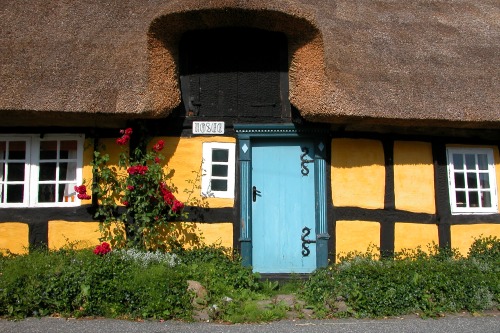 In Danish culture, the family is the number one priority and the government supports that idea 100%. Life revolves around the family, so it is not uncommon to take time off from work for family issues. It is not frowned upon by businesses; it is actually encouraged at times. This is also very evident in maternity leave. Both parents can take maternity and paternity leave (extended leave) and be guaranteed their jobs on their return. Much time is spent with relatives and friends: eating, drinking and "hygge". Yes, we finally got to the "H" word. If you are in Denmark for any period of time, you will soon start to hear the "hygge" word used a great deal. Danes love to "hygge"! This is not something salacious - it basically means to be cozy. When you "hygge", you often light candles or have fires You can be entertaining guests or just having some intimate time, but it is what Danes love to do. Remember, if you are ever asked over to "hygge", it just means come over and have a cozy, pleasant time. It is large part of the the Danish culture and you will enjoy it. And when you leave, make sure and say "I had a hyggelige" time. This means you enjoyed yourself and this will mean a lot to your host. Learn more Danish Culture :Etiquette and Traditions. Or you might enjoy an expat's take on culture shock in Denmark. |
|
|
|
If you found this page helpful, please give a google+ and or a facebook like at the top of the screen, so others can also find this information. Thank you.
Please feel free to comment on this subject
Do you have a helpful tip or comment on this subject that you would like to share? Please leave comments below.

Quality facemasks are in high demand and hard to find. We have found these quality masks here for only 14kr. Going fast so get yours today! Click Here.
Recent Articles


-
Home Furnishing Shops in Denmark
Dec 07, 21 06:58 AM
 There are many home furnishing shops in Denmark, yet not all have physical stores nor are they well known. To find the best prices ind quality, check out some of these shops
 -
Useful Danish Phrases
Oct 07, 21 07:28 AM
 Learning a few useful danish phrases or words can go a long way to making your stay or visit in Denmark more enjoyable.
 -
Aarhus Attractions
Oct 07, 21 07:08 AM
The number of Aarhus attractions may not be as big as Copenhagen, but there is still alot to see and do in this Danish city.

SBI!